
Santoku & NakiriKyocera
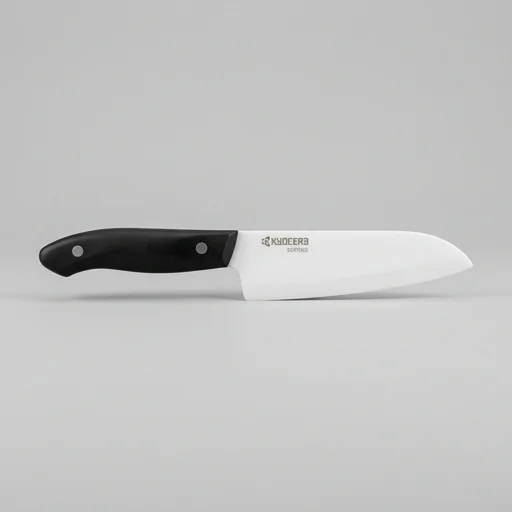
Kyocera Ceramic Santoku Knife
Whetstone scoreEditorial rating from spec, steel and build analysis. Not a customer rating.
The Kyocera Ceramic Santoku Knife is an excellent choice for home cooks who prioritize long-lasting sharpness and low-maintenance upkeep over heavy-duty durability.
- SteelZirconia ceramic
- Blade6 in
- Weight3.2 oz (91 g)
As an Amazon Associate we earn from qualifying purchases. Prices and availability are shown on Amazon.
The verdict
The Kyocera Ceramic Santoku Knife is an excellent choice for home cooks who prioritize long-lasting sharpness and low-maintenance upkeep over heavy-duty durability. Its lightweight ceramic blade effortlessly glides through produce and boneless proteins, making everyday prep faster and more comfortable. While it demands careful handling to avoid chipping, those who respect its limitations will enjoy years of reliable, precise cutting performance.
Spec sheet
Specifications
Blade length
6in / 152 mm
Edge angle (per side)
16°
Drawn at 2× for legibility. Lower = keener, more delicate.
Steel family
Zirconia ceramic
Ceramic blades never rust and stay sharp for a very long time, but they chip on bones and frozen food and need a diamond sharpener when they finally…
Upkeep
- Blade Material
- Advanced Zirconia Ceramic
- Blade Length
- 6 inches (15.2 cm)
- Handle Material
- BPA-free polypropylene
- Weight
- 3.2 oz (91 g)
- Edge Angle
- 16 degrees per side
- Category
- Santoku & Nakiri
- Maker
- Kyocera
Trade-offs
Pros & cons
What we like
- Exceptionally lightweight for reduced hand fatigue
- Stays sharp for years with minimal maintenance
- Won't rust, corrode or absorb food odors
- Ideal for slicing fruits, vegetables and boneless meats
- Elegant modern look that stays looking new
What to know
- Ceramic blade can chip or crack if dropped
- Not suitable for cutting frozen food or bones
- Requires specialized sharpening equipment, not standard steel
- Cannot be used for prying or twisting motions
Highlights
What stands out
- 01Advanced zirconia ceramic blade construction
- 026-inch razor-sharp santoku blade
- 03Lightweight ergonomic BPA-free handle
- 04Rust and stain resistant blade material
- 05Retains edge sharpness far longer than steel
- 06Non-reactive blade won't transfer metallic taste to food
In depth
Full review
The Kyocera ceramic Santoku knife brings a distinctly modern approach to a traditional Japanese kitchen staple, pairing the wide, gently curved blade shape associated with Santoku-style chopping, slicing, and dicing with an advanced zirconia ceramic construction. Unlike conventional steel knives, Kyocera's blade is molded from a fine-grained ceramic that is fired at extremely high temperatures, resulting in an edge that is harder than most metal alternatives and capable of holding its sharpness far longer between sharpenings. The signature black or white blade finish is instantly recognizable in kitchens worldwide, reflecting Kyocera's reputation as a pioneer in ceramic cutlery technology since introducing the material to home kitchens decades ago.
In daily use, the Santoku's broad blade and the classic sheep's-foot tip design make it especially well suited for the rhythmic, rocking motion favored by home cooks when breaking down vegetables, herbs, boneless meats, and fish. Because the ceramic edge is chemically inert, it does not react with acidic ingredients like tomatoes, citrus, or onions, so food retains its natural taste, color, and aroma without the faint metallic transfer sometimes noticeable with steel blades. The knife's lightweight feel, combined with an ergonomically contoured handle, reduces hand fatigue during longer prep sessions, while the precise factory-ground edge delivers clean, thin cuts that help preserve the texture and presentation of delicate ingredients.
Beyond performance, the Kyocera ceramic Santoku is valued for its low-maintenance nature within the broader kitchen knives and cutlery category; it resists staining, won't absorb food odors, and never rusts, making it a practical option for cooks who want long-term reliability without frequent upkeep. Kyocera recommends hand washing and careful storage, since the ceramic, while extremely hard, can chip if used on bone or frozen foods or dropped onto hard surfaces, and the brand offers professional resharpening services to restore the edge when needed. Overall, this Santoku stands as a dedicated, purpose-built cutting tool that blends Japanese knife tradition with contemporary ceramic engineering for cooks seeking precision, hygiene, and lasting sharpness in their everyday food preparation.
Ready to cut?
Kyocera Ceramic Santoku Knife
Santoku & Nakiri · Zirconia ceramic · score 8.8/10
Keep comparing
Similar knives worth a look
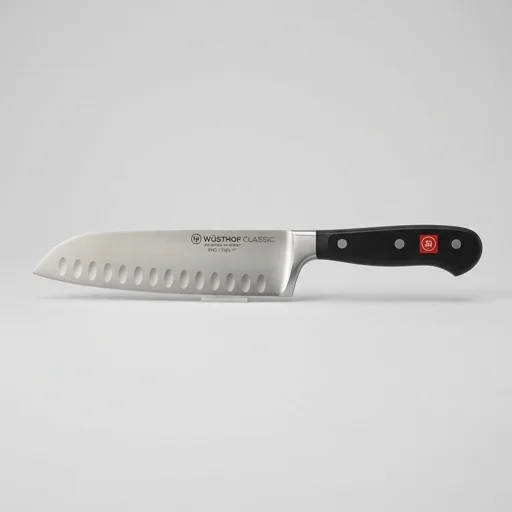 9.4Wüsthof Classic Hollow Edge Santoku 7-Inch
- Reduces food sticking
- Precision German forging
- Long-lasting sharp edge
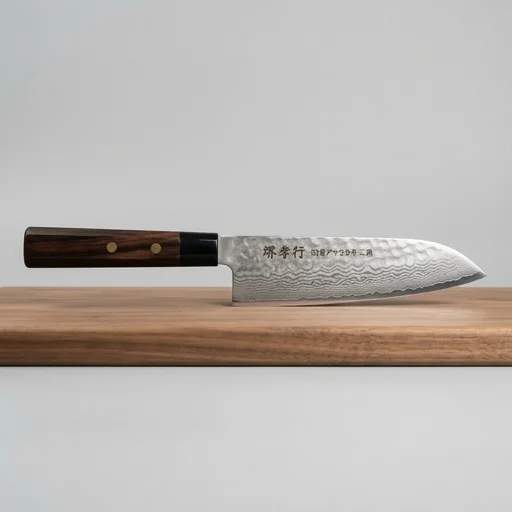 9.4Sakai Takayuki Damascus Santoku Knife
- Razor-sharp VG-10 edge
- Stunning damascus pattern
- Expert Sakai craftsmanship
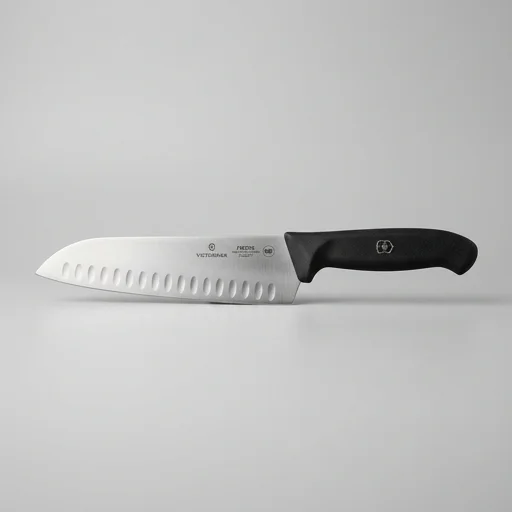 9.4Victorinox Fibrox Pro Santoku 7-Inch Knife
- Razor-sharp performance
- Non-slip comfort grip
- Budget-friendly professional quality
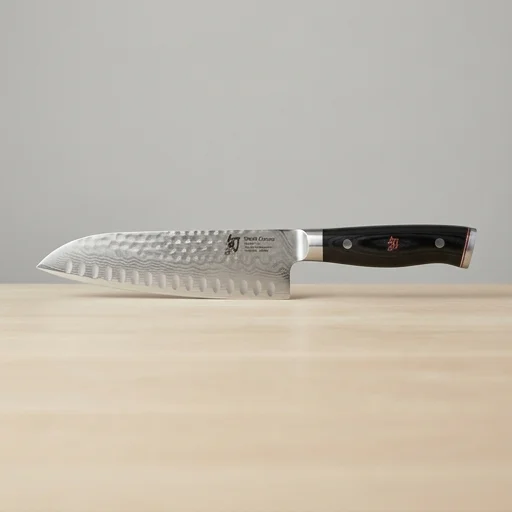 9.4Shun Classic 7-inch Santoku
- Superior edge retention
- Stunning Damascus finish
- Precision vegetable slicing