
Santoku & NakiriYoshihiro
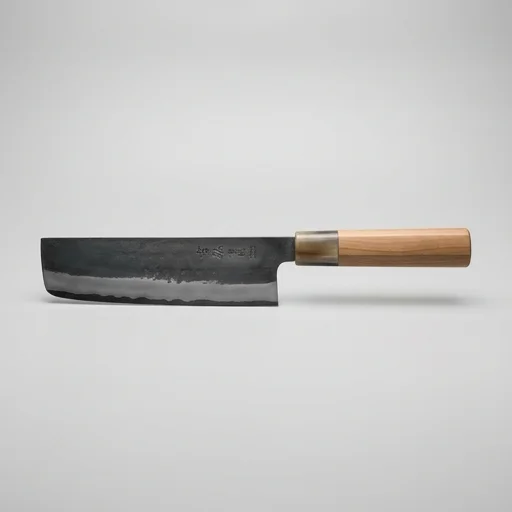
Yoshihiro Mizu Yaki Blue Steel Nakiri
Whetstone scoreEditorial rating from spec, steel and build analysis. Not a customer rating.
The Yoshihiro Mizu Yaki Blue Steel Nakiri is a premium, traditionally forged Japanese vegetable knife that rewards careful ownership with outstanding sharpness and edge retention.
- SteelAogami #2
- Blade6.5 in
- Hardness62–63 HRC
As an Amazon Associate we earn from qualifying purchases. Prices and availability are shown on Amazon.
The verdict
The Yoshihiro Mizu Yaki Blue Steel Nakiri is a premium, traditionally forged Japanese vegetable knife that rewards careful ownership with outstanding sharpness and edge retention. It's best suited to home cooks and professionals who appreciate the ritual of caring for carbon steel and want a precise, dedicated tool for chopping vegetables, but it's less ideal for those wanting a low-maintenance, dishwasher-safe knife.
Spec sheet
Specifications
Blade length
6.5in / 165 mm
Hardness
62–63HRC
Softer steel is tougher; harder steel holds an edge longer.
Steel family
Carbon steels (Aogami, Shirogami)
Aogami (blue), Shirogami (white) and French XC90 carbon steels take the keenest edge of all and sharpen in minutes on a stone.
Upkeep
- Blade Material
- Blue Steel #2 (Aogami) with soft iron cladding
- Blade Length
- 165 mm (6.5 in)
- Handle Material
- Magnolia wood with water buffalo horn ferrule
- Blade Hardness
- HRC 62-63
- Edge Type
- Traditional single-process mizu yaki water quenching
- Category
- Santoku & Nakiri
- Maker
- Yoshihiro
Trade-offs
Pros & cons
What we like
- Exceptional edge retention thanks to Blue Steel #2 core
- Takes an extremely sharp, fine edge
- Lightweight and well-balanced for extended prep sessions
- Flat profile excels at straight-down chopping of vegetables
- Beautiful hand-forged aesthetic with visible hamon
- Traditional handle design feels comfortable in hand
What to know
- Carbon steel core requires diligent drying and oiling to prevent rust
- Not dishwasher safe
- Thin edge can chip if used on hard or frozen foods
- Wa-handle may feel less secure to users accustomed to Western handles
- Higher price point than stainless entry-level nakiris
- Requires some sharpening skill to maintain the thin bevel
Highlights
What stands out
- 01Blue steel (Aogami) core clad in soft iron via traditional mizu yaki water quenching
- 02Hand-forged in Japan by skilled artisans
- 03Flat-edge Nakiri profile ideal for push-cutting vegetables
- 04Traditional Wa-handle made of magnolia wood with a water buffalo horn ferrule
- 05Thin, lightweight blade geometry for precise, clean cuts
- 06Hamon (temper line) visible from the differential hardening process
In depth
Full review
The Yoshihiro Mizu Yaki Blue Steel Nakiri is a traditional Japanese vegetable knife crafted for cooks who demand precision and purity in their prep work. Forged using the mizu yaki, or water quenching, method, this nakiri relies on a technique that has been passed down through generations of Japanese bladesmiths, producing a blade with exceptional hardness while preserving a resilient core. The core steel is Aogami, known in English as Blue Steel, prized among professional chefs and knife enthusiasts for its ability to take and hold an extraordinarily sharp edge. This carbon steel is clad in softer iron, a construction that not only protects the harder core from chipping but also gives the blade its distinctive rustic, hand-forged appearance, with visible hamon lines that speak to the artisanal process behind each piece.
The nakiri shape itself is purpose-built for vegetable preparation, featuring a flat edge and a rectangular profile that allows the blade to travel straight down through produce in a clean push or pull cut, reaching the cutting board without the rocking motion required by Western-style knives. This design makes quick work of julienning carrots, slicing cabbage for slaw, or breaking down daikon radish into even rounds, delivering uniform cuts that matter both for cooking consistency and visual presentation. The thinness of the blade, a hallmark of Yoshihiro's construction, reduces resistance as it passes through dense vegetables, minimizing cell damage to delicate greens and herbs so that flavors and textures remain intact. Because the edge geometry is so fine, the knife rewards a light touch, letting the steel do the work rather than requiring forceful downward pressure.
Beyond its performance, this nakiri carries the aesthetic and tactile qualities that collectors and serious cooks look for in a handmade Japanese blade. The handle is typically fitted in traditional Wa-style, often crafted from magnolia wood with a water buffalo horn ferrule, offering a lightweight, balanced grip that pairs naturally with the blade's weight distribution and encourages precise control during long prep sessions. As with any high-carbon steel tool, the blue steel core demands attentive care, including hand washing, immediate drying, and occasional oiling to prevent oxidation, but this maintenance is a small price for the edge retention and sharpenability the steel provides. For those who view knife work as a craft, the Yoshihiro Mizu Yaki Blue Steel Nakiri stands as both a functional kitchen workhorse and a piece of culinary heritage, bringing authentic Japanese bladesmithing into the home or professional kitchen.
Ready to cut?
Yoshihiro Mizu Yaki Blue Steel Nakiri
Santoku & Nakiri · Aogami #2 · score 9.2/10
Keep comparing
Similar knives worth a look
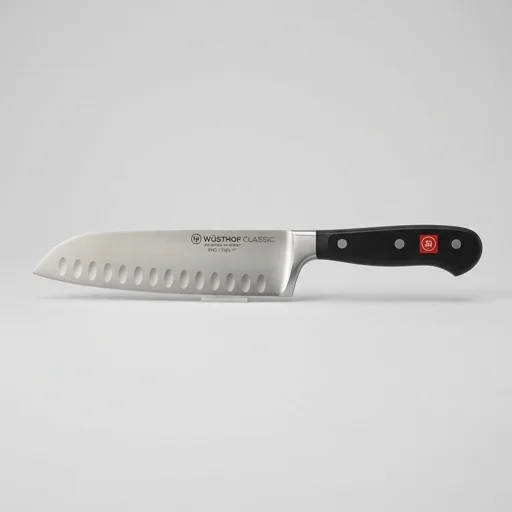 9.4Wüsthof Classic Hollow Edge Santoku 7-Inch
- Reduces food sticking
- Precision German forging
- Long-lasting sharp edge
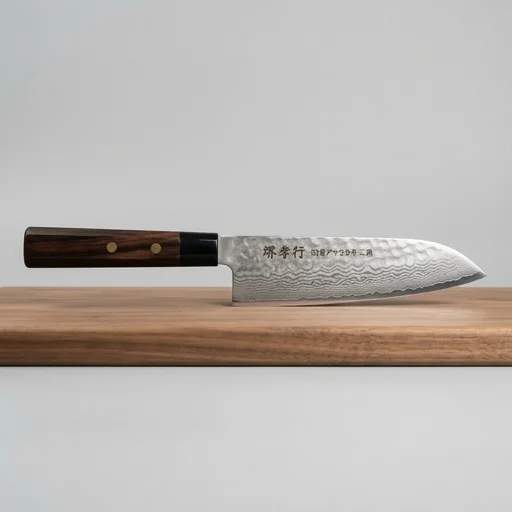 9.4Sakai Takayuki Damascus Santoku Knife
- Razor-sharp VG-10 edge
- Stunning damascus pattern
- Expert Sakai craftsmanship
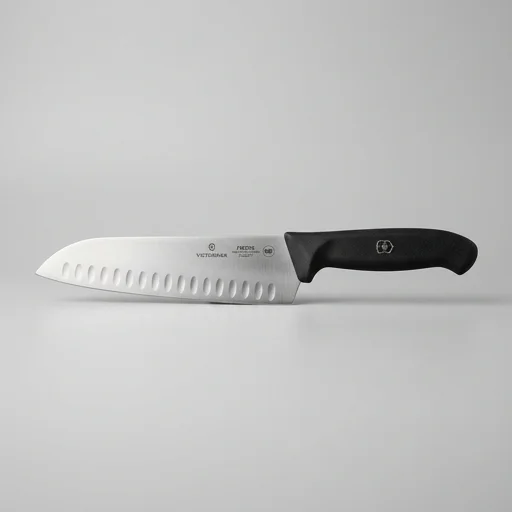 9.4Victorinox Fibrox Pro Santoku 7-Inch Knife
- Razor-sharp performance
- Non-slip comfort grip
- Budget-friendly professional quality
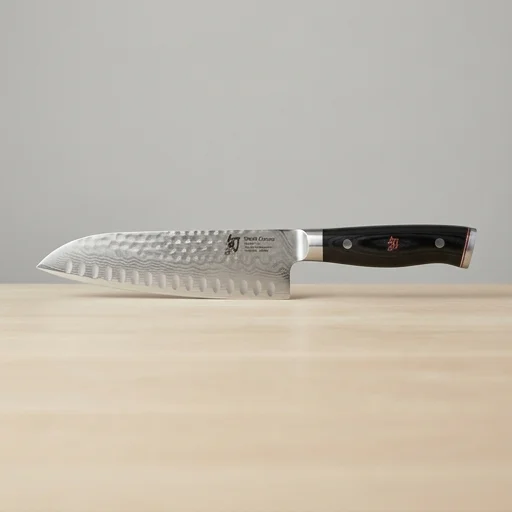 9.4Shun Classic 7-inch Santoku
- Superior edge retention
- Stunning Damascus finish
- Precision vegetable slicing